Choosing among http://nz-dragonia.net/ game categories is easier when you compare how each format works rather than chasing the most exciting title. Dragonia presents slots, instant games, table games, live dealer tables, jackpots and game shows in one casino lobby. For adults in New Zealand, a useful comparison should consider pace, rules, information available before play and whether a title suits a fixed entertainment budget. The aim is not to predict results, but to make browsing more deliberate and less confusing.
Start with the type of experience you actually want
Slots are usually the broadest category for quick game discovery. They can differ substantially in theme, number of features, bonus rounds and visual pace, so the word “slot” alone does not tell you what a session will feel like. The lobby’s filters for new, popular, exclusive and feature-based collections can narrow the choice, while provider filters may help locate familiar software studios. Treat those labels as navigation tools, not recommendations or evidence that a game is more likely to win.
Instant games generally focus on a simple action and a rapid result. They may appeal to someone who does not want a long ruleset, but the speed can also encourage repeated decisions without much reflection. Table games provide a more structured alternative, with formats such as roulette, blackjack, baccarat and dice. Their rules may be easier to compare, although different versions can still have different features, betting options and stated conditions.
Live dealer games add a streamed table and a human dealer, which can create a more social atmosphere. Game shows sit near this category but often use entertainment-led mechanics rather than traditional table rules. Poker and specialist sections may suit players who already understand their formats. Before opening anything, decide whether you want quick play, familiar rules, a visual presentation or a slower learning process. That choice is more useful than selecting a title solely because it appears first.
How do slots, jackpots and feature-led titles differ?

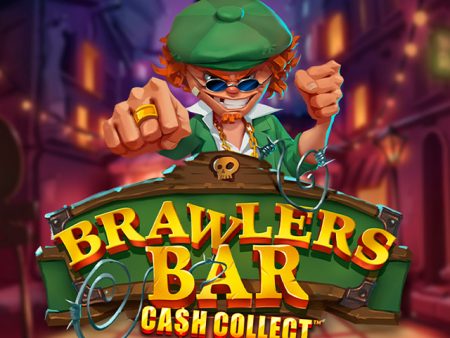
Slot discovery becomes more practical when you separate the game’s theme from its mechanics. A title may be presented through mythology, adventure, crime, fruit or a branded setting, yet the important questions concern paylines or ways to win, bonus features, stake range, volatility information and any displayed return figures. The source material lists examples such as Gates of Olympus 1000, Big Bass Splash, Lord of the Ocean, Sugar Rush 1000, Crime King 1000, Double Lucky Clovers and Wild Hot 40, but a visible title is not a recommendation.
Jackpot collections deserve particular care because the word “jackpot” can create an impression of exceptional opportunity. The lobby separates Hot Jackpots, Lucky Jackpots and New Jackpots, but collection names do not establish how a prize is funded, how often it is awarded or what conditions apply. Read the individual game information and distinguish a progressive or pooled prize from an ordinary feature within a slot. A larger advertised prize also says nothing about the likelihood of receiving it.
Feature-based filters can be useful when you know what interests you, such as free spins, multipliers, cascading symbols or bonus rounds. They should not be used as a shortcut for estimating outcomes. Short demo play, where offered, can help explain buttons, paylines and presentation, but it cannot verify long-term return, volatility or future results. Use it to learn the interface, then decide whether the game remains suitable for your time and spending boundaries.
Which table format fits your level of familiarity?
Roulette is often the simplest table game to recognise, but its available bets can make the layout appear more complicated than expected. Blackjack requires decisions involving the player’s hand and the dealer’s visible card, so it rewards reading the table rules before making a choice. Baccarat generally uses a smaller set of decisions, while dice games can vary widely in their individual rules. Familiar names should never replace checking the specific version shown in the lobby.
Live tables add practical considerations beyond the underlying game. The pace may be set by the dealer, and a busy table can make it tempting to act quickly. A clear display of betting windows, minimums, maximums and round status is important. If the format feels too fast, a conventional digital table game may be easier to pause and understand. If the rules are unfamiliar, read the help panel before placing any stake rather than learning through trial and error.
Game shows and live entertainment formats can be engaging because they combine presentation with game mechanics. That presentation may make the experience feel less like a conventional casino game, but the underlying result remains uncertain. Compare the rules, qualifying conditions and available controls with the same care used for roulette or blackjack. Players should also remember that provider restrictions can affect which games are visible or playable from a particular location, so the catalogue may not be identical for every account.
Use filters without mistaking them for recommendations
A large lobby is easier to navigate when you apply one filter at a time. Start with the broad category, then narrow by provider, feature or collection. Checking a small group of titles is usually more useful than opening many games at random. Provider names listed in the catalogue include Pragmatic Play, Playtech, Hacksaw Gaming, Spinomenal, Amusnet, Novomatic, Playson, Microgaming, BGaming, Yggdrasil, Betsoft, Habanero, Evoplay, Quickspin, Thunderkick, Stakelogic, Amatic, EGT Digital, Red Rake and Play’n GO.
Provider familiarity can help you recognise design styles, but it does not make outcomes predictable. Game counts and availability can change, and individual studios may apply country restrictions. A filter labelled “new” simply identifies a recent or newly promoted addition; “popular” reflects a collection label rather than a guarantee of quality or value. Exclusive and featured categories should be read in the same neutral way. Always open the game’s own information panel for its current rules.
Game discovery should also include a short pause between selection and play. The Gambling Helpline’s information and support service offers a New Zealand-focused reference if gambling begins to feel difficult to control. That is relevant even when someone is only comparing games: a clear plan is easier to maintain before browsing becomes prolonged. Set a time and spending boundary independently of the lobby’s categories, and stop when either boundary is reached.
What should you check before choosing a title?
First, read the rules and any displayed game information. Look for the winning combinations, special symbols, bonus triggers, minimum and maximum stakes and any explanation of the game’s return or volatility. These details describe the product but cannot forecast the result of a particular spin, hand or round. If the information is incomplete, do not fill the gaps with assumptions based on a familiar title or provider.
Next, consider whether the format matches the way you intend to play. A fast instant game may be unsuitable if you want a slower, more reflective session. A live table may not fit a tightly limited schedule if rounds continue at a fixed pace. A jackpot title may be a poor choice if the label is influencing you to spend more than planned. Choosing a simpler game is not a sign that you are missing out; it may simply be the better match.
Finally, check practical availability. The catalogue notes that games can depend on country and software-provider restrictions, so the title shown during browsing may not remain available when you attempt to open it. Use demo play only where it is clearly offered, and remember that it demonstrates controls rather than proving profitability. If a game’s rules, pace or presentation makes you uncomfortable, move on without treating the time already spent as a reason to continue.
Game discovery questions worth asking
Can demo play show whether a game is fair?
No. Demo play can show how the interface works, including symbols, menus and bonus features, but a short session cannot establish long-term return, volatility or fairness. Use it for orientation only, then read the published game information and make decisions based on entertainment value and limits rather than a brief outcome.
Are jackpot games more likely to produce a win?
No. A jackpot label describes a prize structure or collection and does not establish better odds. Jackpot conditions, contribution methods and eligibility can differ by title. Read the individual game details and avoid increasing a stake simply because the displayed prize is larger or the collection is presented prominently.
Why might a listed game be unavailable?
Availability can depend on location, software-provider restrictions, technical compatibility and changes to the catalogue. A game visible in a lobby is not necessarily available to every account. Check the current game information and stated requirements, and ask support if the title cannot be opened or disappears from the available collection.